How Long to Rebuild Blood Cells Sfter Blood Draw
Sickle cell disease is an inherited genetic abnormality of hemoglobin (the oxygen-carrying protein found in red blood cells) characterized by sickle (crescent)-shaped red blood cells and chronic anemia caused by excessive destruction of the abnormal red blood cells.
-
People always have anemia and sometimes jaundice.
-
Worsening anemia, fever, and shortness of breath with pain in the long bones, abdomen, and chest can indicate sickle cell crisis.
-
A special blood test called electrophoresis can be used to determine whether people have sickle cell disease.
-
Avoiding activities that may cause crises and treating infections and other disorders quickly can help prevent crises.
Sickle cell disease affects blacks almost exclusively. About 10% of blacks in the United States have one copy of the gene for sickle cell disease (that is, they have sickle cell trait). People who have sickle cell trait do not develop sickle cell disease, but they do have increased risks of some complications such as blood in their urine. About 0.3% of blacks have two copies of the gene. These people develop the disease.
Red Blood Cell Shapes
Normal red blood cells are flexible and disk-shaped, thicker at the edges than in the middle. In several hereditary disorders, red blood cells become spherical (in hereditary spherocytosis), oval (in hereditary elliptocytosis), or sickle-shaped (in sickle cell disease).
In sickle cell disease, the red blood cells contain an abnormal form of hemoglobin (the protein that carries oxygen). The abnormal form of hemoglobin is called hemoglobin S. When red blood cells contain a large amount of hemoglobin S, they can become deformed into a sickle shape and less flexible. Not every red blood cell is sickle-shaped. The sickle-shaped cells become more numerous when people have infections or low levels of oxygen in the blood.
The sickle cells are fragile and break apart easily. Because the sickle cells are stiff, they have difficulty traveling through the smallest blood vessels (capillaries), blocking blood flow and reducing oxygen supply to tissues in areas where capillaries are blocked. The blockage of blood flow can cause pain and, over time, cause damage to the spleen, kidneys, brain, bones, and other organs. Kidney failure Chronic Kidney Disease Chronic kidney disease is a slowly progressive (months to years) decline in the kidneys' ability to filter metabolic waste products from the blood. Major causes are diabetes and high blood pressure... read more and heart failure Heart Failure (HF) Heart failure is a disorder in which the heart is unable to keep up with the demands of the body, leading to reduced blood flow, back-up (congestion) of blood in the veins and lungs, and/or... read more 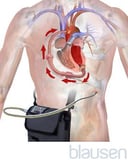 may occur.
In people with sickle cell trait, red blood cells are not fragile and do not break easily. Sickle cell trait does not cause painful crises, but rarely, people die suddenly while undergoing very strenuous exercise that causes severe dehydration, such as during military or athletic training.
Anything that reduces the amount of oxygen in the blood, such as vigorous exercise, mountain climbing, flying at high altitudes without sufficient oxygen, or an illness, may bring on a sickle cell crisis (also called an exacerbation). A sickle cell pain (vaso-occlusive) crisis is an episode of increased symptoms and can consist of a sudden worsening of anemia, pain (often in the abdomen or long bones of the arms and legs), fever, and sometimes shortness of breath. Abdominal pain may be severe, and vomiting may occur. Sometimes, additional complications occur with a pain crisis, including
-
Aplastic crisis: Production of red blood cells in the bone marrow stops during infection with some viruses
-
Acute chest syndrome: Caused by blockage of capillaries in the lungs
-
Acute splenic or hepatic (liver) sequestration (a large accumulation of cells in an organ): Rapid enlargement of the spleen or liver
Acute chest syndrome can occur in people of all ages, but it is most common among children. It is usually characterized by severe pain and difficulty breathing. Acute chest syndrome can be fatal.
In children, acute sequestration of sickled cells in the spleen (sequestration crisis) may occur causing an enlarged spleen and exacerbating anemia. Acute hepatic sequestration is less common and can occur at any age.
Children who have sickle cell disease often have a relatively short torso but long arms, legs, fingers, and toes. Changes in the bones and bone marrow may cause bone pain, especially in the hands and feet. Episodes of joint pain with fever may occur, and the hip joint may become so damaged that it eventually needs to be replaced.
-
Blood tests
-
Hemoglobin electrophoresis
-
Prenatal testing
Doctors recognize anemia, stomach and bone pain, and nausea in a young black person as possible signs of a sickle cell crisis. When doctors suspect sickle cell disease, they do blood tests. Sickle-shaped red blood cells and fragments of destroyed red blood cells can be seen in a blood sample examined under a microscope.
Hemoglobin electrophoresis, another blood test, is also done. In electrophoresis, an electrical current is used to separate the different types of hemoglobin and thus detect abnormal hemoglobin.
Further testing may be needed, depending on the specific symptoms the person experiences during the crisis. For example, if the person has difficulty breathing or a fever, a chest x-ray may be done.
Blood tests are done on relatives of people with the disorder because they also may have sickle cell disease or trait. Discovering the trait in people may be important for family planning, to determine their risk of having a child with sickle cell disease.
Newborns are routinely screened with a blood test in the United States.
-
Treatments aimed at preventing crises
-
Treatment of crises and conditions that cause them
Treatment is aimed at
-
Preventing crises
-
Controlling the anemia
-
Relieving symptoms
Gene therapy, a technique in which normal genes are implanted in precursor cells (cells that produce blood cells), is being studied.
People who have sickle cell disease should try to avoid activities that reduce the amount of oxygen in their blood and should seek prompt medical attention for even minor illnesses, such as viral infections. Because people are at increased risk of infection, they should receive vaccines for pneumococcal Pneumococcal Vaccine read more , meningococcal Meningococcal Vaccine read more , influenza Influenza (Flu) Influenza (flu) is a viral infection of the lungs and airways with one of the influenza viruses. It causes a fever, runny nose, sore throat, cough, headache, muscle aches (myalgias), and a general... read more , and Haemophilus influenzae type b Haemophilus influenzae Type b Vaccine read more infections. Children typically take penicillin by mouth from age 4 months until age 6 years.
Drugs can help control sickle cell disease. For example, hydroxyurea increases the production of a form of hemoglobin found predominantly in fetuses, which decreases the number of red blood cells becoming sickle-shaped. Therefore, it reduces the frequency of sickle cell crises and acute chest syndrome. New drugs that help control the symptoms and complications of sickle cell disease are L-glutamine, crizanlizumab, and voxelotor.
People are given folic acid, a vitamin that helps the body make new red blood cells.
The following is an English-language resource that may be useful. Please note that THE MANUAL is not responsible for the content of this resource.
-
Sickle Cell Disease Association of America: provides comprehensive education and support, including peer mentoring, to people with sickle cell disease and their caregivers
| Generic Name | Select Brand Names |
|---|---|
| crizanlizumab | Crizanlizumab |
| hydroxyurea | HYDREA |
| L-glutamine | L-Glutamine |
| voxelotor | Voxelotor |
How Long to Rebuild Blood Cells Sfter Blood Draw
Source: https://www.merckmanuals.com/home/blood-disorders/anemia/sickle-cell-disease
0 Response to "How Long to Rebuild Blood Cells Sfter Blood Draw"
Post a Comment